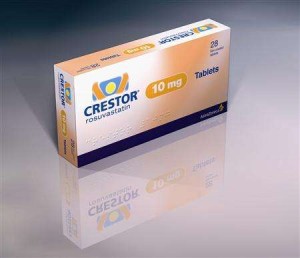
Caldwell Esselstyn started his professional career as a surgeon at Cleveland Clinic and quickly became interested in prevention instead of surgery. Sadly, he fell into the traps of a person looking at population data to find the cure for a disease. If you have watched the movie “Forks over Knives “ you can hear him n detail – but if you don’t want to poke your eyes out we will give you a capsule summary of a surgeon who went from the operating room to the pseudoscience table.
Dr. Esselstyn noted the risk of heart disease in rural China was low in the 1970’s – and presumed that they didn’t have a “western diet.” Now there are two flaws in his population statistics: First in the 1970’s in rural China most individuals were starving to death – it was the end of the cultural revolution and any source of food that could be found and eaten was. The second issue is if you examine data from The China Study you will see that heart disease mortality was lowest in the rural communities that were able to eat more meat. In The China Study (again, I promise this will be a topic later) – they used mortality statistics from the time during the end of the Cultural Revolution. Rural China was starving then, all trees had been used for fuel, there were virtually no birds left (combination of deforestation and hungry humans) and rice was used for the army.
Dr. Esselstyn then talks about Norway during World War 2, when they were occupied by the Nazi Germany, and how that heart disease diminished as the Norske were forced to eat a plant based diet. That was a great assumption to make, but when examining the data from Norway there are a few interesting factoids – Meat consumption dropped 60% but fish increased 200 per cent. Vegetables and potatoes increased but sugar decreased by half. And when the data is put to a microscope in 1942 and 1943 when mortality declined, animal proteins were still higher than before the war. It appears that Norway suffered from increasing fish (great source of Omega 3 fatty acids) and foraged for foods such as wild greens, grew and ate a lot of potatoes, but had a low amount of sugars and almost no margarine (I don’t know a respectable Norwegian today who cooks with margarine). The sad part of the war was the increase of mortality from infectious diseases – especially pneumonia (my mother’s cousin who fought for the resistance died of this, as did many of his comrades).
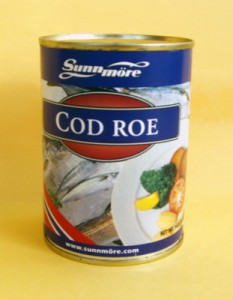
Norway in WW2 ate a lot of fish- and this roe was popular
Esselstyn then did a study of patients with coronary artery disease patients who did not have diabetes, high blood pressure, or currently smoke. His goal was a plant based diet with less than 10 per cent of calories derived from fat. This severe diet eliminated oils, fish, fowl, and meat. They were allowed to eat a plant based diet including grains, vegetables, lentils, and fruits.
He followed these patients for up to 12 years – his numbers are confusing as he started with 24 patients and six dropped out (leaving 18). One of the 18 died from his heart disease (leaving 17). At ten years there were 11 patients. They did angiography and reported a regression of 11 lesions with 14 remaining stable.
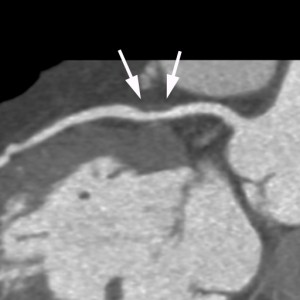
Angiogram- xray - of a plaque. Not enough to do surgery on though
Analysis of this study is this: coronary angiography is unreliable, and subject to wide interpretation as to the percent narrowing of a vessel from plaque. Taken from a slightly different angle a lesion that is critical can look normal. Also, it is the platelets on these plaques that do the damage – and a small change in the amount of platelets sitting on a plaque will change it. None of the angiograms of these individuals rose to the level of requiring intervention (none needed bypass, or a stent, or balloon angioplasty).
When any study talks about a “cardiac event” it means to most of us a heart attack. If you have a small lesion in a coronary artery and then that lesion accumulates a blood clot that is what a heart attack is. The blood clot (from platelets – a sticky component of blood that helps you clot ) blocks the flow of blood to the heart muscle. If the clot blocks blood flow for a long time then the heart muscle dies and you have a myocardial infarction, if it opens up then all you have is a heart attack. This has little to do with the size of the lesion, and more to do with the complex chemistry of the coagulation system. Hence, taking aspirin a day or Plavix is more beneficial.
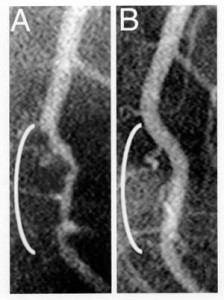
The other major problem with the study is that these individuals were on lipid lowering medications. Dietary reduction of lipid level (Cholesterol and lipoproteins such as VLDL, HDL) is about ten per cent on average, but never more than twenty per cent. However, lipid-lowering medications – such as Crestor – can remarkably lower levels of the lipids. In addition, lipid-lowering medications are best for reducing inflammation. They are anti-inflammatory to blood vessels, meaning in addition to lowering the lipids and cholesterol, their main effect is to reduce the chance of having a “coronary event.”

Crestor shown to be effective at decreasing the plaque in arteries
The final issue are my ancestors – Native Americans and Norwegians – who, when eating a diet high in fatty fish, have lower rates of heart disease. That is a population statistic, however, the science behind it is clear. Fish are high in omega-3 fatty acids, which Dr. Esselstyn wouldn’t like – but the omega 3 fatty acids are protective against heart attacks as well as raising the “good cholesterol” HDL, and have the same anti-inflammatory features that medications do.

One of my cousins, preventing heart disease and eating fat


Do you beleive there is any way to reverse coronary artery diease?
What do you mean by reverse? So you have an atherosclerotic plaque- you want it to re-absorb? It never will after you are 18 years of age. You can stabilize a plaque, you can get some regression of the size, but unless you are totally starved you cannot reverse it. Its like reversing aging- can’t be done- we can hide aging, but old people are just old. With Ornish he saw – at best 3% reduction- but that is not significant – and is subject to error.
Best way to reverse coronary artery disease– bypass the diseased artery
So let me see if I understand correctly….it would be better to have surgery? And what of all the people I know that HAVE reversed these diseases that everyone is given pills for and made to believe that we are expected to get all these diseases and die sick with no quality of life? So easy to go to SURGERY before trying something as simple as diet change, and the reason is people would rather eat all this CRAP they are currently eating, take drugs and have surgery. Amazing and how sad.
To Pete, please read the material he is so easily bashing, go some of these sites for Dr. Esselstyn, Dr. Neal Barnard, Dr. Joel Fuhrman, Dr. John McDougall, Dr. T. Colin Campbell and so many more!! Educate yourself! You dont have to believe anyone online, especially someone advocating surgery! Do you think its by chance that he provides these types of surgeries and is bashing other doctors? I know some of the people personally who have reversed diseases, including heart disease, Does it take work, yes it does…so if someone isnt willing to do the work to live well and have quality of life, then perhaps surgery is the better answer, but know that with all surgery, and medications, there are risks to your health, for the rest of your life!
Here is hope that everyone educates themselves and is healed!
Teresa
The data for what you can and cannot do with food for disease is anecdotal at best. T. Colin Campbell’s data (he is not a MD but is a PhD) does not agree with his conclusions. When one is skeptical and critical of data it isn’t bashing doctors- in science and the science of medicine we do this. Surgery works well for some- but when it comes to surgery we have a simple saying- if they don’t change their lifestyle the surgery does little good.
Sounds like sour grapes. Do you fear Dr. Esselstyn’s findings will cannibalize your Lap-Band business? I say, “Lead by example.” Dr. Esselstyn is the picture of health. I can’t say the same about you. You should adopt the plant-based lifestyle and your health will improve. You will look and feel a lot healthier, which will give your more crediability when you speak. Also, you will then make the choice to pursue a career of preventative medicine, rather than cutting-open people, unnecessarily. Much health Dr. Simpson.
If I eat things that eat plants does that count? Preventive medicine is what we do- but sadly, some people need surgery – because not everyone can be perfect. My health is fine, thank you.
Dr. Simpson, you sure do seem to push buttons when you challenge conventional beliefs. I don’t make the connection on how sharing this information, in essence, trying to educate people, has anything to do with your (as Tim states) “Lap-Band business.” Because you’re a physician, and skeptic, I think you are able to offer unique or unconventional views that may challenge current cultural beliefs, which I see as a good thing. More accepted “practices” should be challenged and their validity tested, especially when it involves health. I do believe that an unhealthy diet has a negative effect on health – I also believe that over consumption of any kind is a bad idea. Information, moderation, and common sense seem like the keys to a healthier life.
Thank you. Over consumption of anything is bad- agree- whether it is lean meat, soy beans, or baby seals. Humans are “flexible eaters” and can eat a wide range of things. To state that we can only eat non-animal proteins, or limit them flies in the face of the natural selection that allowed people to live from the Arctic to the equator.
Still there are those that want food to be magic, food to cure disease- or change how one lives on some very narrow focus based on bad assumptions. That smacks of a pentacostal telling someone the only way to heaven is through their narrow religion. Most who practice extreme diets remind me of religious fundamentalists – with poor or no evidence – and lots of preaching. I hate preaching.
I have to agree with you on this. Well said!
Thank you- but if you disagree, that is fine too!
Terry:
It is universally agreed by the majority of physicians & researchers that to the degree a diet is anti-inflammatory and antioxidative plays a major factors in whether someone develops arterial plaque. We also know that if inflammation is present, that a diet low fat, cholesterol & low in inflammatory substances is beneficial in limiting the amount of arterial plague forming agents found in the blood stream that can then attach to the cell lining of the vessel which then causes plaque buildup.
As you should know the ingestion of fat causes the body to produce cholesterol to help in its assimilation & we do know that excessive cholesterol in the blood & inflammation are the main factors in developing arterial plaque.
The authors/scientist that you attack are providing people with diets that are nutritious, anti-inflammatory & antioxidantive with foods that we have readily available. It is well known that salt, sugar, processed foods, & oils when cooked cause an inflammatory reaction in the blood vessels.
- Please provide the foundation for your argument (scientific studies) that affirm your position that one can’t reverse arterial plaque through diet.
Since you criticizing & attacking these researchers you should provide supporting scientific evidence to support your criticism. You provide nothing but hyperbolic statements that their research is flawed. You do so without any credentials in field of study/ research or practice that relate to coronary artery &/or vascular disease & or dietary solutions.
Help me understand you why you are attacking these scientists? What is it you are trying to prove?
Chris Young
The logical fallacy of appeal to authority or popularity doesn’t fly here.
Yes, anti-inflammatory nature of some diets are important, the question is which is truly anti-inflammatory. But anti-inflammatory does not decrease plaque formation, it does decrease the tendency of those plaques to rupture and cause acute occlusion. Omega-3 fatty acids are fats, and a diet rich in them is fatty diet, and my fellow Eskimos are quite heart healthy (until they smoke).
The ingestion of fat does not produce cholesterol- the vast majority of cholesterol is from what the body makes, and the correlation of cholesterol and plaque formation has been long abandoned and not supported by the evidence.
In terms of proving a negative – that is a common logical fallacy argument– prove this doesn’t happen. No one can prove a negative. You cannot prove reindeer don’t fly.
I am not attacking any one of these individuals personally, I am however, providing a skeptical basis for science.
Terry :
What is your skeptical basis for science???
The Inuit ate a diet high in meat and fat, low in fruits and vegetables and still had low rates of heart disease and cancer (sadly only recently when more modernization came to them in the form of convenience stores, soda and other processed foods did you see the illnesses start to increase. Once sugar & processed foods came to them….things went sour).
Their meat they ate was completely different from the meat you & I are eating. Theirs was wild, fresh, & mostly raw, seal and other animals that you are probably not going to eat. Not to mention they also ate the organ meats, which again….most people are not going to do. Because the animals were wild they were also not fed grains, contained good amounts of Omega 3s and low amounts of Omega 6s…the opposite of modern meats.
Their meat was actually low in saturated fat and more mono-unsaturated…completely different from the meat profile of fattened cows on grains (very high in saturated fats and loaded with omega 6s…pro-inflammatory).
Their meats were high in Omega 3s (anti-inflammatory) and overall diet was more a 1:1 ratio of omega 3s to 6s (unlike todays ratio of about 1:25(+) of omega 3s to 6s)
So although we are not about to move to the great white north and eat raw seal or whale blubber, we can use the knowledge of the Inuit and take home the following lessons (and you will see many familiar things below)
Eat a diet of moderate protein (make sure you are eating with fat and not going overboard, for most this is not an issue as even a high amount of 1g/lb of body weight is still usually 30% of total calories)
We are not eating seals or their organ meats, so get your fruits and vegetables (as we need them for sources of vitamins that are not in our meats) duh!
Have plenty of healthy fats including: some sat fats (but again look at how little sat fat the Inuit actually ate vs how much was mono-unstaturated), MUFA (Monounsaturated Fatty Acids like X-Virg Olive Oil). Even watch your sources of sat fat , as most is very high in pro-inflammatory Omega 6s from grains/vegetable oils & processed foods.
Take some fish oil (Omega 3s) to help balance the Omega 3:6 ratios (most people probably need about 3g a day of EPA/DHA….about 2-3 teaspoons of fish oil). Some may need less, but that would mean their diet is already low in Omega 6s….which are everywhere nowadays!
Lower dietary sources of Omega 6s including high fat grain fed beef/meats/eggs. Try for lean beef/meats (Omega 6s are in the fatty parts), Omega 3 eggs, or Grass Fed Beef (but be warned…even if it is says grass fed it doesn’t mean it is 100% grass fed…so read your labels carefully)
Inflammation = increases in heart diseases and cancers….so get rid of the big evil inflammation messengers of Omega 6s/Veg Oils (excess PUFAs), Sugar, Trans Fats, & processed foods. Get rid of these evils and you will go along way to increasing your longevity and health.
**** No processed sugars, oils, or “man made” foods are in the Eskimo/Inuit, Mediterranean, French paradox, portfolio diet, prudent die or diets proposed by Dr. Esselstyn, Dr. Neal Barnard, Dr. Joel Fuhrman, Dr. John McDougall, Dr. T. Colin Campbell. These diets are also are balanced in omega3 / omega6 fats & vitamins. Most of the these diets participants tend to not be overweight & tend to exercise. These types of diets/lifestyles can reduce or eliminate inflammation so that the body can manage the healing process.
Are these diets/lifestyles all paradoxes or are they all onto something – low to no inflammation by eliminating “man made food” ?
It is becoming increasingly clear that chronic inflammation is the root cause of many serious illnesses – including heart disease, many cancers, and Alzheimer’s disease. Stress, lack of exercise, obesity, genetic predisposition, and exposure to toxins (like tobacco smoke) can all contribute to such chronic inflammation, but dietary choices plays the largest role.
I would tender that a therapeutic approach of diet, exercise, & stress reduction aka “lifestyle” as offered by Esselstyne, Fuhrmann, & others works to reduce or eliminate inflammation while providing substantial nutrients is the path to health & low to no inflammation. It is not to say that it is the only way but it appears to work if followed. ie, no cheating…. You can turn a good diet into a bad diet by if you too much of the one type of food on any diet. The simplicity of a plant based diet takes all the thinking out of the equation and force the right omega 3/6 balance as well is very low in inflammatory response
These diets do not have added / processed sugar, Trans Fats, high omega-6 oils and low in omega 3, Milk pasteurized , processed dairy products, processed oils, Feedlot-Raised Meat, Processed Meat, Alcohol, Refined Grains, Artificial Food Additives & any other foods that may produce and allergic reaction to an individual.
Simple whole foods in balance with the correct omega 3/6 balance!
Here is what is known about FAT DIGESTION
Dietary fats (lipids) during digestion, fats are broken down partially to free fatty acids and molecules with one, two, or three attached fatty acids–mono-, di-, and triglycerides.
To digest fats, the gallbladder contracts and discharges bile salts, which are made in the liver and stored in the gallbladder. The bile salts emulsify the fatty acids, enabling fat to be “dissolved” in water to be absorbed. During fat absorption the bile salts are reabsorbed and recirculated by the liver about six times daily. The bile salt-coated fat is able to travel through the water in the intestine to the intestinal cells in the last portion of the small intestine, the ileum, where it dissolves in the membranes of intestinal cells.
After absorption, lipids are repackaged with proteins as chylomicrons and sent to the liver. Here they are repackaged again in a coat of cholesterol and protein.( yes the body produces cholesterol as fats are ingested. To what degree is different in each person. This coating, which allows the fat to be dissolved in the blood, enables the fats to be transported to various parts of the body where fatty acids may be removed to provide energy for cellular components. The demands to make cholesterol by the liver for the coatings are greater for saturated fats than for polyunsaturated fats, which causes the former to contribute to higher blood cholesterol levels than the latter.
Here is a bit on inflammation —
Read the following http://circ.ahajournals.org/content/105/9/1135.full Circulation : Clinical Cardiology: New Frontiers Inflammation and Atherosclerosis Circulation. 2002
“Substantial advances in basic and experimental science have illuminated the role of inflammation and the underlying cellular and molecular mechanisms that contribute to atherogenesis.”
“Current evidence supports a central role for inflammation in all phases of the atherosclerotic process.”
“ Substantial biological data implicate inflammatory pathways in early atherogenesis, in the progression of lesions, and finally in the thrombotic complications of this disease.”
Clinical studies affirm correlation of circulating markers of inflammation with propensity to develop ischemic events and with prognosis after ACS. “
“…the quest to identify proximal stimuli for inflammation, as one pathogenic process in atherogenesis or trigger to lesion complication, may yield novel therapeutic targets in years to come.
http://circ.ahajournals.org/content/early/2012/03/02/CIRCULATIONAHA.111.046755.abstract Inflammation has been closely linked to auto-immunogenic processes in atherosclerosis.
http://circres.ahajournals.org/content/96/9/939.full Adipose Tissue, Inflammation, and Cardiovascular Disease
Mounting evidence highlights the role of adipose tissue in the development of a systemic inflammatory state that contributes to obesity-associated vasculopathy and cardiovascular risk. Circulating mediators of inflammation participate in the mechanisms of vascular insult and atheromatous change, and many of these inflammatory proteins are secreted directly from adipocytes and adipose tissue–derived macrophages.
http://atvb.ahajournals.org/content/26/5/995.full?sid=ab7cb066-3880-486e-ae07-ea53e6d11420
Dietary Factors That Promote or Retard Inflammation
“A growing body of literature suggests that inflammation is pivotal in all phases of atherosclerosis, and biomarkers of inflammation (Table 1), especially high sensitivity C-reactive protein (CRP), have been shown in various studies to predict cardiovascular events.”
http://circ.ahajournals.org/content/119/8/1093.full?sid=5cd2d0bd-edd1-4637-b850-f2cfce5916b0
Epidemiology -Mediterranean Diet and Incidence of and Mortality From Coronary Heart Disease and Stroke in Women “The Mediterranean diet has been linked to beneficial effects on inflammatory markers, lipids, and blood pressure.”
http://atvb.ahajournals.org/content/20/3/708.full?sid=5cd2d0bd-edd1-4637-b850-f2cfce5916b0 Atherosclerosis and Lipoproteins
http://atvb.ahajournals.org/content/30/4/749.full?sid=ab7cb066-3880-486e-ae07-ea53e6d11420
Integrative Physiology/Experimental Medicine
Specific Dietary Polyphenols Attenuate Atherosclerosis in Apolipoprotein E–Knockout Mice by Alleviating Inflammation and Endothelial Dysfunction
What is your skeptical basis for science???
You have a partial answer – and inflammation is important to us. Without inflammation we could not rid ourselves of bacteria, we would not make it past our first year of life. Atherosclerosis is not an inflammatory process, it is the platelet action when a plaque ruptures that is inflammatory- or, in this case, causes a cascade of events leading to a clot. However, if you have an imbalance of the clotting mechanism you would bleed to death. Post operative myocardial infarctions, heart attacks, happen because after surgery the clotting mechanism is tilted toward clotting – thus unstable coronary plaques are at risk- however, without a clotting mechanism we could not do surgery.
There is a far more molecular level to inflammation than diet. And population studies are often as wrong as they are right. Making broad sweeping statements based on population studies or what we think we know from them, is a common error.
People always want to find the magic diet- it won’t ever be that simple.
I am not skeptical of science- I am skeptical and science is the approach used to measure things.