
🥣 The Curious Case of Dr. Kellogg: Surgeon, Cereal, and a Whole Lot of Enemas
When you think of Kellogg, you probably picture cereal—maybe a sweet bowl of Frosted Flakes or Corn Flakes. But the real story behind Kellogg is far weirder than breakfast. It starts with a doctor. A good one. A very strange one.
Meet Dr. John Harvey Kellogg
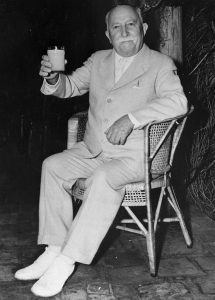
Inventor of breakfast cereal, surgeon, health writer, and vegetarian
Dr. John Harvey Kellogg wasn’t just any doctor. He was a skilled surgeon, and even Dr. Charles Mayo—the founder of the Mayo Clinic—called him one of the best abdominal surgeons he had ever seen.
But Kellogg didn’t become famous for his surgery skills. Instead, he became known for his obsession with health, diet, and—believe it or not—poop.
The Sanitarium and the Celebrity Patients
Kellogg ran the famous Battle Creek Sanitarium in Michigan. This health resort attracted celebrities like Thomas Edison, Henry Ford, and even Amelia Earhart. People came there to “cleanse” their bodies with special diets, exercise, sunlight, and—yes—daily enemas.
He believed almost every illness started in the colon. His solution? Flush it out. Constantly. Sometimes, with yogurt. Sometimes, both ends. I wish I were kidding.
Kellogg’s War on Pleasure
Dr. Kellogg didn’t just worry about digestion. He also believed that pleasure—especially sexual pleasure—was dangerous. In fact, he thought masturbation caused everything from bad digestion to insanity.
To fight back, he recommended boring, bland food. No spices. No excitement. Just plain meals that wouldn’t “stir the passions.”
That’s how Corn Flakes were born. Kellogg invented them as a food so bland, they might help people forget about sex altogether.
Cereal Becomes a Business
Now, here’s where things get interesting. Kellogg’s brother, W.K. Kellogg, thought those flakes had potential—but they needed flavor. So he added sugar and started selling them to the public.
Dr. Kellogg was furious. He believed sugar was poison. The two brothers fought in court. W.K. won. And that’s why your breakfast cereal today is sweet and not designed to stop anyone’s libido.
What Science Says Today
Let’s be clear: Dr. Kellogg got a lot of things wrong.
-
You do not need daily enemas. Your colon cleans itself.
-
Yogurt goes better in a bowl than through a tube.
-
Masturbation doesn’t cause disease. It’s a normal, healthy part of being human.
-
And your desire to eat or love has nothing to do with how spicy your dinner was.
While Kellogg’s focus on exercise and plant-based diets was ahead of his time, his fear of pleasure and obsession with “cleansing” caused more harm than good.
The Strange Legacy
Dr. Howard Markel, in his excellent book The Kelloggs: The Battling Brothers of Battle Creek, dives deep into their story. He shows how Dr. Kellogg’s strict health beliefs turned into fads—and how his brother’s sweet-toothed success made cereal a worldwide business. Markel, Howard. The Kelloggs: The Battling Brothers of Battle Creek. Pantheon Books, 2017.
Kellogg’s ideas were extreme, but they still echo today. Whenever someone tells you to “detox,” do a cleanse, or eat bland food to fix your hormones—they might not realize they’re following a 19th-century surgeon who really hated fun.
Dr. Markel was a medical school classmate of mine, and his book is excellent.
Final Thought
Dr. John Harvey Kellogg was a brilliant surgeon. But being smart doesn’t mean being right. And it definitely doesn’t mean you should give yourself a yogurt enema.
So next time you reach for a box of cereal, remember: your breakfast has a backstory. And it’s weirder than you think.
