
Protein Panic: How Much Do You Really Need?
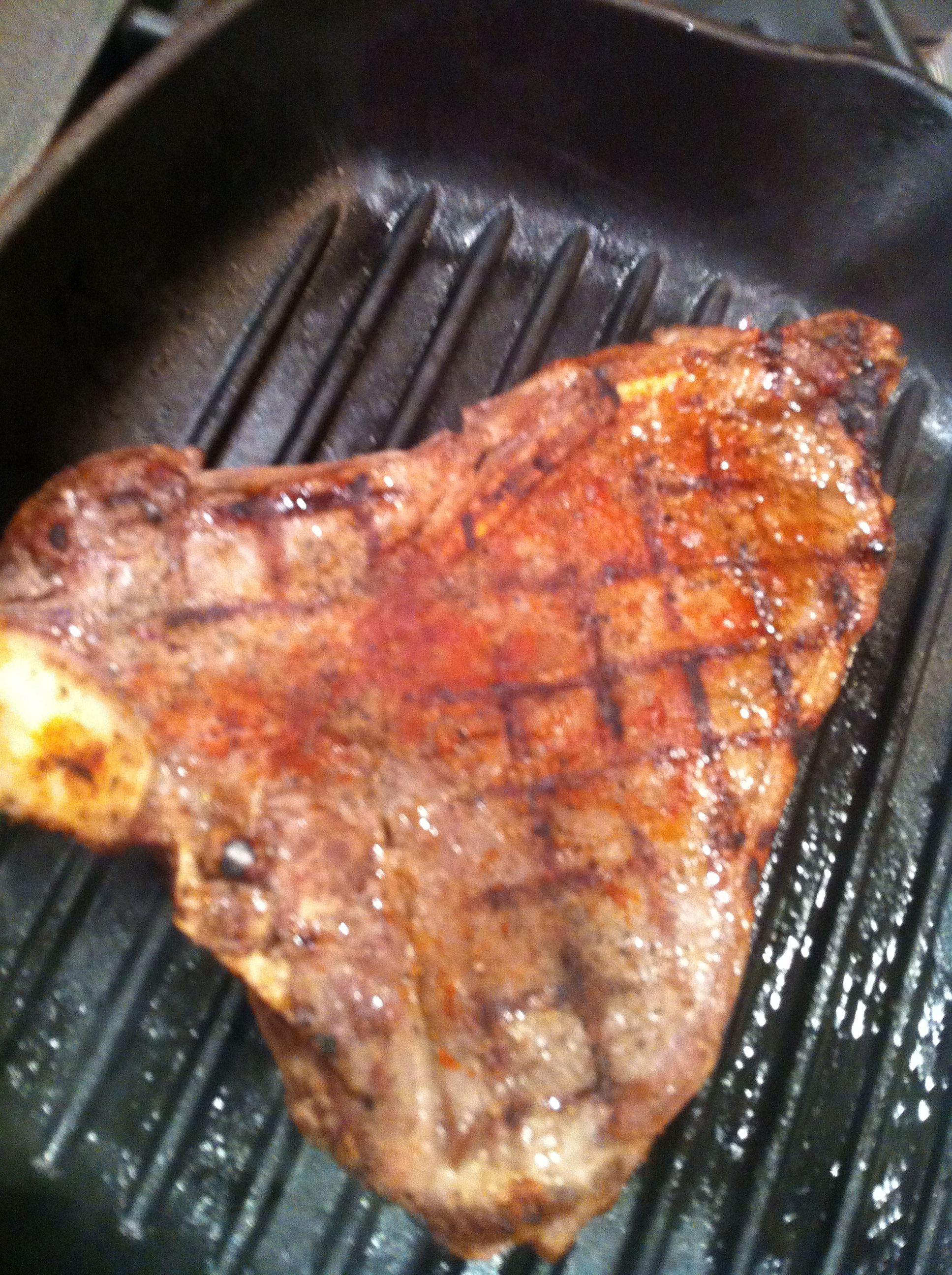
Nothing like great grill marks on a steak
Everywhere you look, protein has become a competition.
Scroll long enough and you will believe muscle disappears if you eat less than 150 grams a day. Meanwhile, influencers debate leucine thresholds like they’re trading baseball cards. As a result, ordinary meals now feel like math problems.
However, biology does not require panic.
Protein matters. Yet adequacy differs from excess. And importantly, most people eating real food already meet their needs.
So let’s slow down.
First, What Protein Actually Does
Protein builds and repairs tissue. In addition, amino acids support immune function and hormone signaling. Furthermore, specific amino acids such as leucine trigger muscle protein synthesis.
Nevertheless, once you reach the effective leucine threshold in a meal, adding more protein does not multiply muscle growth. Instead, your body oxidizes the excess.
Therefore, more does not always mean better.
How Much Is Enough?
For most healthy adults, about 0.8 grams per kilogram of body weight covers basic needs. Meanwhile, adults over 60 often benefit from 1.0 to 1.2 grams per kilogram to protect lean mass.
Notably, that recommendation does not require heroic intake. In fact, a 75–80 kilogram adult typically lands between 60 and 90 grams per day.
Consequently, many people hit those numbers without even trying.
Here’s What I Actually Do
I do not count protein. I never log grams. Moreover, I do not calculate leucine before breakfast.
Instead, I eat normal meals.
Most mornings, I have a shake. The recipe lives on terrysimpson.com. That shake provides roughly 25 grams of protein. Sometimes I add PB Fit. Occasionally, I include Greek yogurt. As a result, I increase protein slightly without thinking about it.
Later, I eat three to five ounces of chicken breast with Louisiana hot sauce. That adds another 25 grams.
Then at dinner, I often choose salmon and chickpeas. Together, they bring me to roughly 70–80 grams for the day.
Importantly, I have lost 50 pounds and preserved muscle mass. I track muscle periodically. I see no decline.
So what about leucine?
High-quality animal protein contains about 8–10% leucine. Therefore, a 25-gram protein meal delivers about 2 grams of leucine. That amount typically triggers muscle protein synthesis.
Thus, I hit the effective threshold at each meal without obsessing.
Now Let’s Bring In GLP-1
GLP-1 medications reduce appetite. Consequently, total intake drops. Because of that, protein intake can fall too.
So yes, people using GLP-1 should pay attention. However, they do not need 180 grams per day. Instead, they need adequacy and resistance training.
Lift something heavy. Spread protein across meals. Preserve lean mass.
Simple.
Here’s the Real Deficiency
Protein deficiency remains rare in the United States. By contrast, fiber deficiency remains common.
According to the National Institutes of Health, most adults fail to meet recommended fiber intake levels. In fact, average intake falls far below the 25–38 grams per day recommended for adults.
(Reference: NIH Office of Dietary Supplements – Fiber Fact Sheet)
Meanwhile, high-protein diets often crowd out legumes, whole grains, and vegetables.
So while people panic about protein, they quietly neglect fiber.
And fiber feeds the microbiome. Fiber improves glycemic control. Fiber lowers LDL cholesterol.
Protein builds muscle. Fiber protects metabolism.
Both matter.
Mediterranean Patterns Keep It Balanced
Mediterranean-style eating provides protein from fish, legumes, yogurt, and moderate poultry. At the same time, it supplies fiber from beans, vegetables, and whole grains.
Therefore, protein arrives packaged with micronutrients and fermentable substrate.
Unlike protein powders and bars, real food supports multiple systems at once.
Consequently, longevity patterns emphasize diversity, not maximal single-nutrient intake.
The Takeaway
Adequate protein preserves muscle. Resistance training drives adaptation. Fiber protects metabolic health.
So before you triple-scoop whey, pause.
Ask yourself whether you lack protein — or whether you lack plants.
Because protein matters.
Panic does not.
And once again, data beats dogma.
