
Olive Oil: The Original Superfood
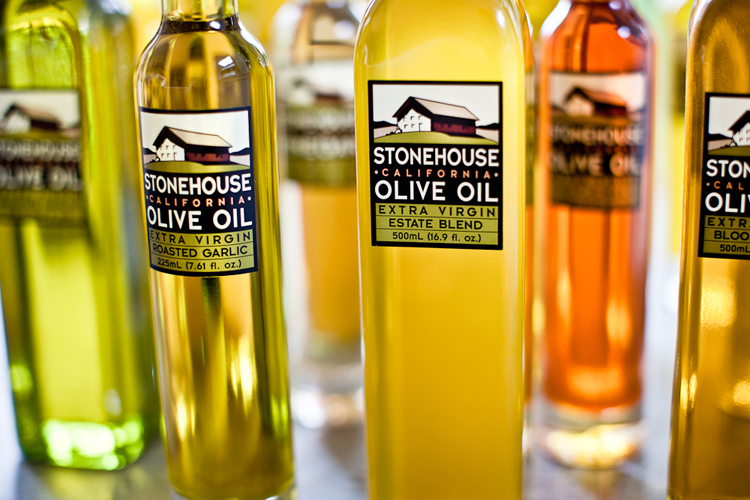
The best olive oils come from the US
Before electricity lit our homes, olive oil did.
For thousands of years, olive oil was far more than something people poured over bread. It fueled lamps, preserved food, moisturized skin, and was used in religious ceremonies. Long before it became a staple of the Mediterranean diet, it helped build civilization.
Today, we think of olive oil as healthy. The fascinating part is that people believed it was medicinal long before they understood cholesterol, inflammation, or blood pressure. Sometimes medicine begins with observation. The science simply catches up later.
More Than Just Fat
When people hear “olive oil,” they often think of fat. That’s true, but not all fats behave the same way.
Olive oil is rich in monounsaturated fat, the primary fat found in the Mediterranean diet. Rather than worrying about the chemistry, it is more useful to think about what happens inside the body.
The real benefit comes from what olive oil replaces.
Instead of cooking with butter or shortening, people sauté vegetables with olive oil. Olive oil is better than creamy dressings, and it is part of a delicious vinaigrette. And my favorite is, instead of spreading butter on bread, dipping it in olive oil.
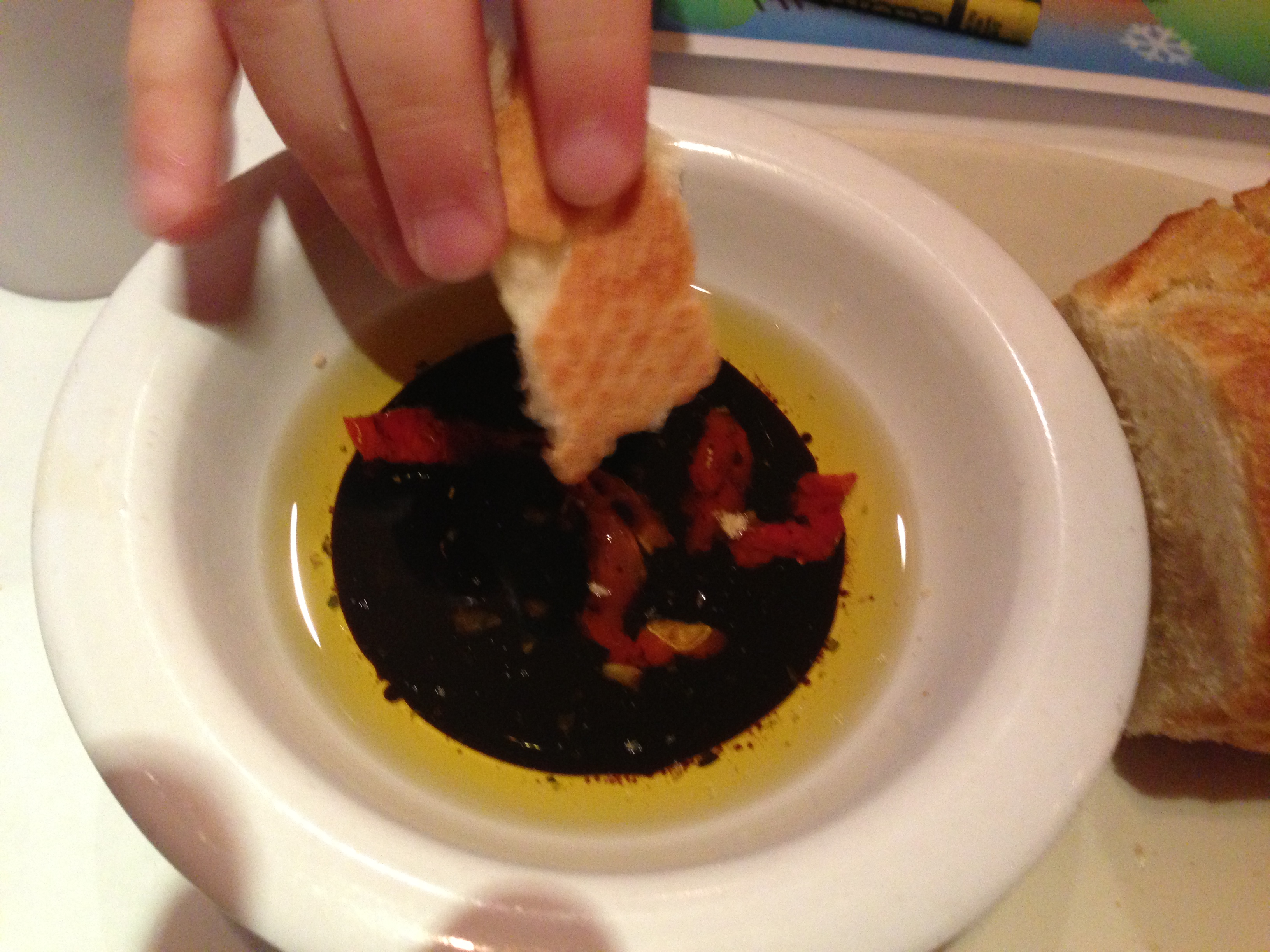
Olive oil, balsamic vinegar, and sardines all provide elements of taste – the sour, salty, and savory, combine with bread- the sweet, and you have a perfect balance
Those small substitutions can add up over time.
The Science Is Impressive
One of the first studies to grab the attention of cardiologists came from Lyon, France. Researchers enrolled people who had already suffered a heart attack and asked one group to adopt a Mediterranean-style diet rich in olive oil.
The results surprised almost everyone.
Those following the Mediterranean diet had dramatically fewer second heart attacks than those eating their usual diet. It was one of the studies that helped transform olive oil from a traditional food into a modern medical recommendation.
Since then, researchers have followed hundreds of thousands of people around the world. Again and again, the same pattern appears. People who regularly consume olive oil tend to have lower rates of heart disease, lower rates of type 2 diabetes, and even lower mortality.
Even better, randomized clinical trials such as the PREDIMED study showed that people at high cardiovascular risk reduced their chances of major cardiovascular events by following a Mediterranean diet supplemented with extra-virgin olive oil.
Why Does It Work?
Scientists think olive oil helps in several ways.
When olive oil replaces butter and other saturated fats, LDL cholesterol usually falls. The natural polyphenols found in extra-virgin olive oil also appear to reduce inflammation and help blood vessels relax by improving nitric oxide production. In addition, studies suggest olive oil improves insulin sensitivity and helps protect LDL cholesterol from becoming oxidized, an important step in the formation of artery plaque.
No single mechanism explains everything.
Instead, several small benefits appear to work together.
That is often how nutrition works.
Not All Olive Oils Are the Same
If you ask people where the best olive oil comes from, be prepared for a lively discussion.
Some prefer the buttery oils from Liguria in Italy. Others enjoy the peppery oils of Lebanon, Greece, or Spain. I have favorites from Arizona, where I lived for years, and from California, where I live now.
California also has some of the highest purity standards for olive oil in the world. While olive oil fraud has occurred in some parts of the world, California producers have built a reputation for careful quality control. That gives me confidence in what I’m pouring into my pan.
A Small Change Worth Making
Nutrition rarely comes down to one magical food.
Instead, it comes from making better choices more often.
Adding olive oil to your kitchen is one of those simple changes that is easy to enjoy. It makes vegetables taste better, encourages home cooking, and replaces less healthy fats without making meals feel restrictive.
Sometimes the healthiest habits are also the most delicious.
Olive oil first transformed civilization by lighting the night.
Today, it may help illuminate a healthier future—one meal at a time.
