
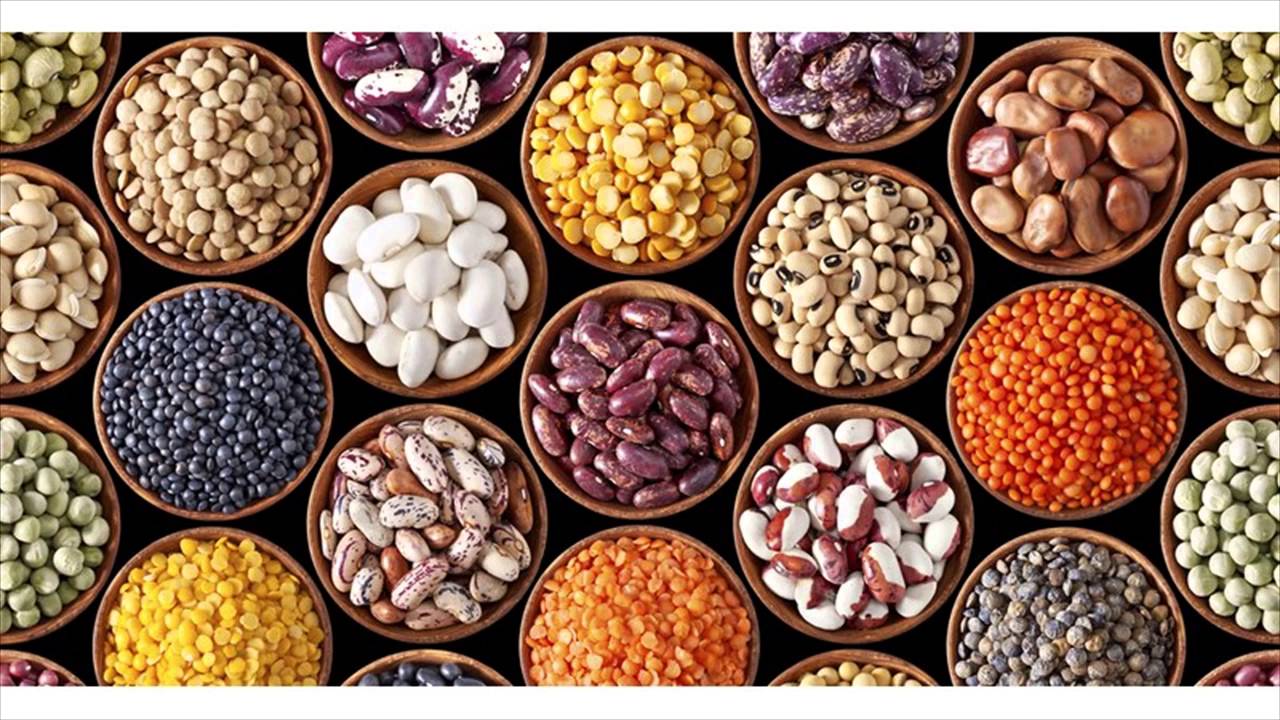
For years, beans have suffered from an image problem.
They’ve been called “the poor man’s meat,” joked about for causing gas, and often relegated to the side of the plate. Yet for thousands of years, beans, lentils, chickpeas, and peas—collectively known as pulses—were among the most important foods on Earth.
If bread supplied the calories that built cities, beans supplied much of the protein that sustained them.
Long before protein powders and high-protein snack bars, civilizations from Rome to India relied on pulses as an everyday source of nourishment. The Roman laborer’s bowl of puls—a hearty porridge often enriched with legumes—was far more representative of daily life than the lavish banquets of emperors. Across the Mediterranean, dishes like pasta e fagioli reflected a simple truth: grains and legumes together formed a remarkably nutritious meal.
Modern science has largely caught up with what history already knew.
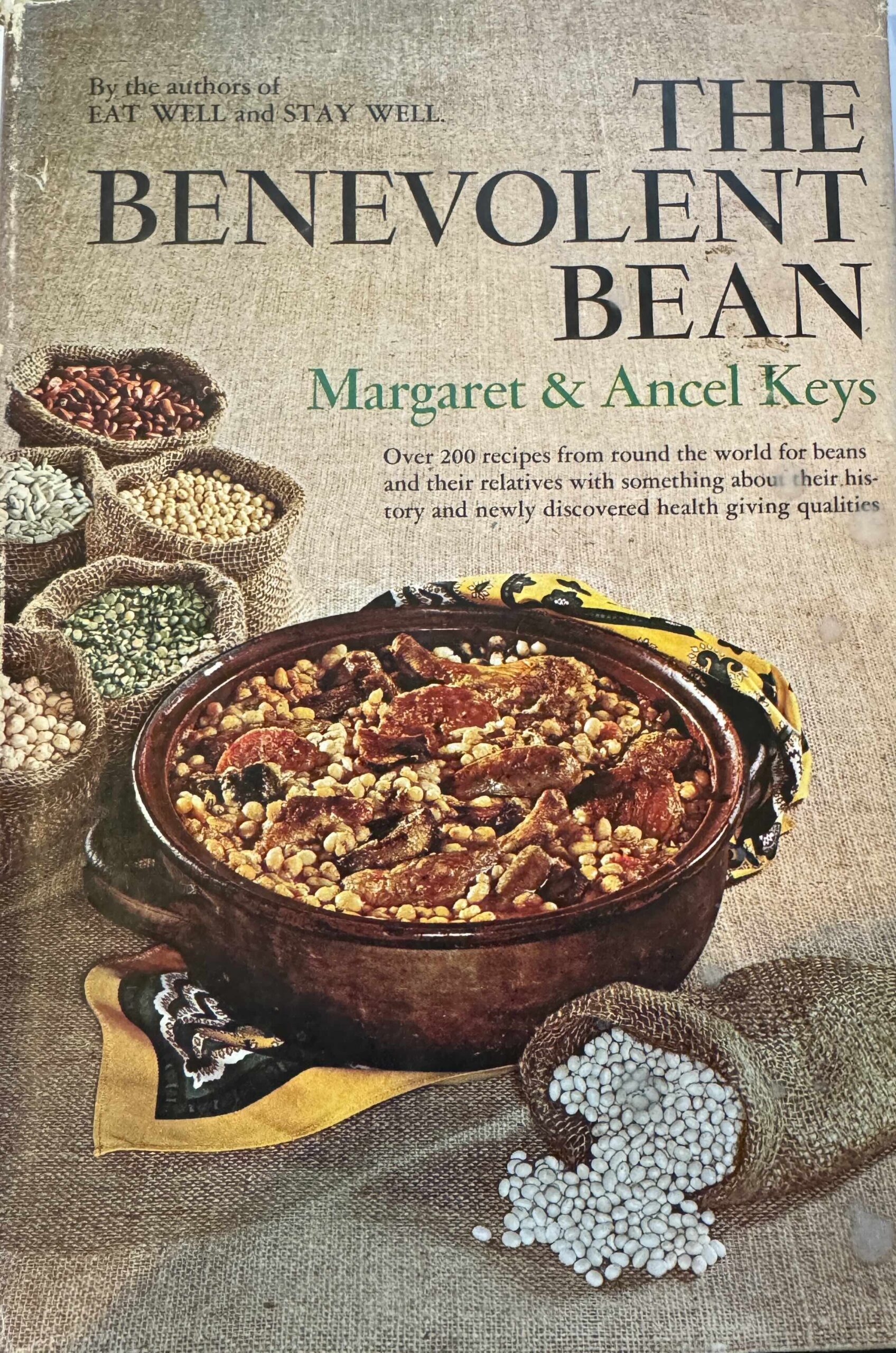
Beans are rich in protein, but they’re also packed with dietary fiber, resistant starch, folate, magnesium, potassium, and a remarkable collection of plant compounds that support both heart and metabolic health. Their fiber nourishes the trillions of bacteria living in our colon, producing short-chain fatty acids that help maintain the health of the intestinal lining and may reduce inflammation throughout the body.
Perhaps most remarkable is that cultures around the world independently discovered the same dietary pattern. Italy has beans and pasta. India has dal with flatbread. Latin America combines beans with rice or corn. The Middle East gave us hummus. These weren’t accidents. They were elegant nutritional solutions developed centuries before anyone knew what an amino acid was.
Beans also improve the soil they grow in. Through a partnership with nitrogen-fixing bacteria living on their roots, legumes enrich the earth for future crops. Few foods nourish both the people who eat them and the land that produces them.
Today, beans are enjoying a well-deserved renaissance. Heritage producers such as Rancho Gordo have reminded us that beans have flavor, texture, and personality. They’re no longer just pantry staples—they’re ingredients worthy of the center of the plate.
In this week’s Fork U podcast, we’ll explore how one humble family of plants helped build civilizations, why modern nutrition keeps rediscovering their value, and why the “poor man’s meat” may actually be one of the richest foods in human history.
Sometimes the greatest superfoods aren’t new discoveries.
Sometimes they’ve been quietly simmering in the pot all along.
