The Peptide Bazaar: Real Medicine vs. Vials from the Internet
From insulin miracles to gym peptides like BPC-157—what works, what doesn’t, and why most peptide hype skips real evidence.
Read More

From Gila Monster to GLP-1 Revolution In 1991, I left Seattle and moved to Phoenix to begin my career as a surgeon. In Seattle, hiking meant pine trees, damp trails, and reliable rain. In Phoenix, hiking meant bottled water and survival. The temperature could sit at 113 degrees at six in the evening. Sometimes the…
Read MoreWhen Influencers Replace Scientists, Everyone Loses Every few years, nutrition gets a makeover.First comes a new graphic.Then comes a new slogan.Soon after, we hear claims that this time, someone finally figured it all out. Recently, that makeover arrived in the form of a “reverse food pyramid” and the cheerful phrase “Eat Real Food.” On the…
Read More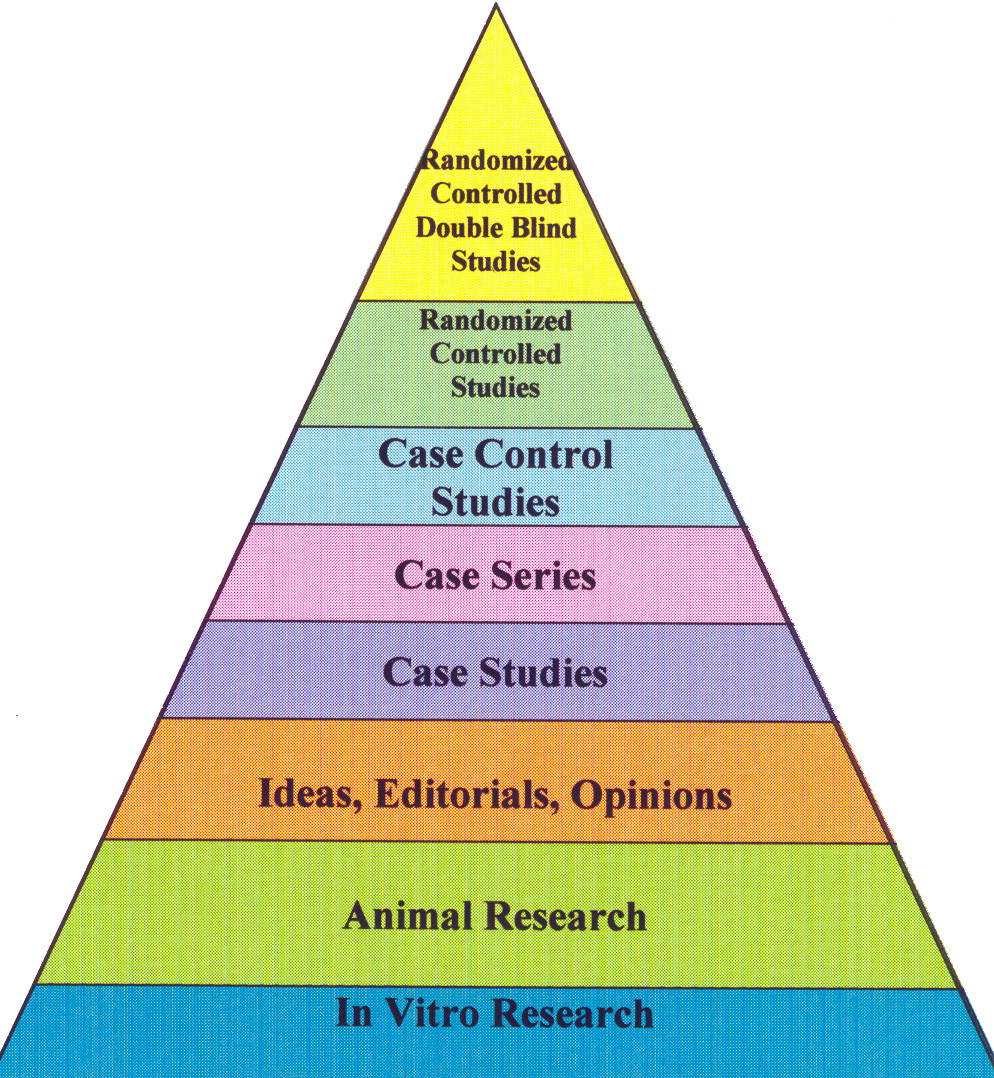
An overview of evidence based medicine – the techniques we use to show if a treatment, drug, or device works. This is the scientific method we follow. Essentially when someone says that something works – we want you to prove it!
Read More
Recent headlines stating “eggs are as bad as smoking” from a single article. Turns out the article was a poorly done article whose conclusions are highly suspect. Here are the reasons why.
Read More