
When Salmon Isn’t a Stent
Heart disease was four times more deadly than it is today. In those days, we had no statins, no stents, and no bypass surgery. Food was the only weapon doctors had.
Pharmacies in Rome and Greece even stocked extra virgin olive oil for patients with “hardening of the arteries.” Doctors sent people to pick up bottles, almost like prescriptions. Olive oil wasn’t curing clogged arteries, but it showed an early recognition that diet mattered.
Then scientists noticed something bigger. In certain Mediterranean villages, people lived longer with far less heart disease. It wasn’t genetic. Relatives who moved to cities and switched to Western diets developed heart disease much earlier.
Researchers didn’t stop there. They followed men in villages across Europe and the Mediterranean for decades. Some communities ate diets heavy in saturated fats. They developed clogged arteries and heart disease quickly. Other communities ate diets rich in fruits, vegetables, legumes, fish, nuts, and olive oil. They had much lower rates of heart disease. This pattern became the foundation of what we now call the Mediterranean Diet.
At that time, diet gave us hope. But today, we know that food alone is not enough.
Lyon Heart Study
The Lyon Diet Heart Study proved how powerful diet could be. Conducted just as statins came onto the market, it showed that patients with heart attacks who switched to a Mediterranean-style diet had a 70% lower risk of another cardiac event. That meant fewer heart attacks and fewer deaths.
Later, the PREDIMED trial confirmed these results. In high-risk adults, the Mediterranean Diet reduced major cardiovascular events by about 30%. That’s impressive, but it also raises a question: can people sustain it? Adherence usually means sticking with the diet about 70 percent of the time. That’s not perfect.
Here’s a personal example. I have hypercholesterolemia and a strong family history of heart disease. I follow the Mediterranean Diet carefully. But even with strong adherence, my LDL cholesterol never dropped below 180. With two drugs — Zetia and Crestor — my LDL is now in the 40s. Food helps. Medicine saves.
Atherosclerosis begins early in life
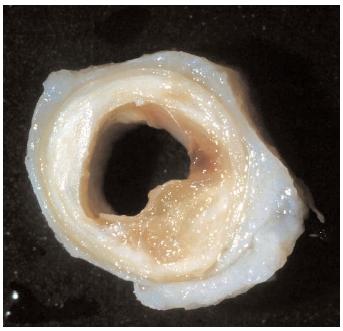
Atherosclerosis of the coronary (heart) artery
The PESA Heart Study showed why this matters. Researchers in Spain followed adults who felt perfectly healthy. Using advanced imaging, they found more than 60 percent already had plaque in their arteries. Atherosclerosis begins silently, and often decades before symptoms appear.
The JUPITER trial with rosuvastatin (Crestor) proved what medicine can do. Statins reduced cardiovascular events by 44 percent, and the study had to stop early because the benefit was so strong.
And then there’s Dean Ornish. His program is often called the “diet that reverses heart disease.” But it was never just a diet. His patients quit smoking, took statins, took blood pressure medications, and practiced yoga. Ornish proved that lifestyle matters — but it was food and medicine together that made the difference.
Barbara O’Neill and Cayenne Pepper
Meanwhile, scammers still sell false hope. Barbara O’Neill, banned from giving health advice in Australia, charges thousands for seminars where she claims cayenne pepper “opens arteries.” That’s pure fiction. Cayenne is a spice, not a stent. She also claims cholesterol guidelines only exist to enrich drug companies. Yet my three-month supply of Crestor costs $2.36, while she profits thousands. The real con is clear.
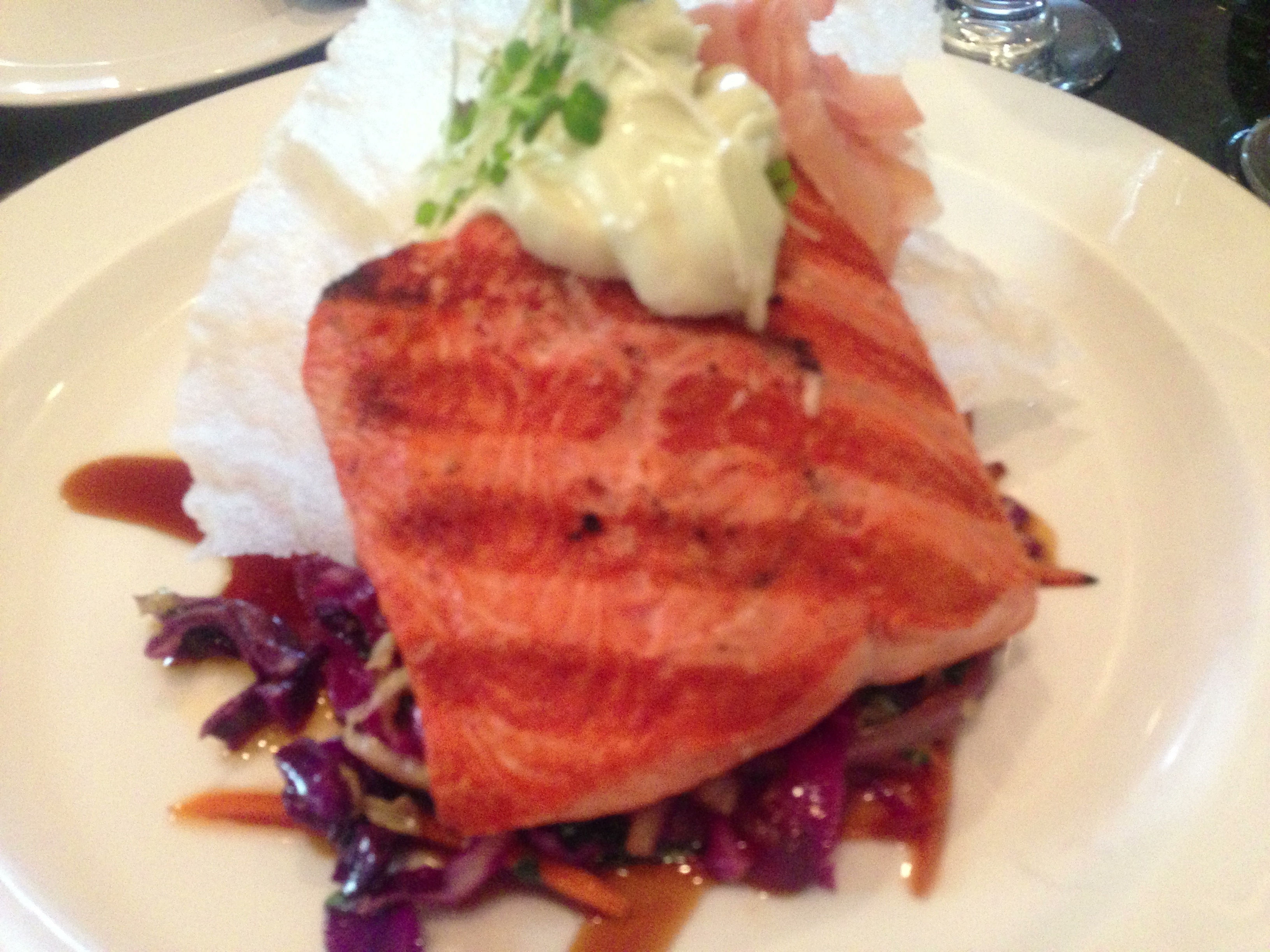
So here’s the truth: salmon is healthy, but it isn’t a stent. Olive oil helps, but it isn’t a statin. Food prevents disease. Medicine treats it. Together, food and medicine are unbeatable.
References
-
de Lorgeril M, et al. Mediterranean diet, traditional risk factors, and the rate of cardiovascular complications after myocardial infarction: final report of the Lyon Diet Heart Study. Circulation. 1999;99(6):779–785. (click here)
-
Fernández-Friera L, et al. Prevalence, vascular distribution, and multiterritorial extent of subclinical atherosclerosis in a middle-aged cohort: the PESA study. Circulation. 2015;131:2104–2115. (click here)
-
Ridker PM, et al. Rosuvastatin to prevent vascular events in men and women with elevated C-reactive protein. N Engl J Med. 2008;359:2195–2207. (click here)
-
Ornish D, et al. Intensive lifestyle changes for reversal of coronary heart disease. JAMA. 1998;280(23):2001–2007. (click here)
-
Therapeutic Goods Administration, Australia. Prohibition order under section 42DV against Barbara O’Neill. 2019. (click here)
