
Soup: The Mediterranean Diet in a Bowl
Over the past few weeks, many of us have been looking at our refrigerators a little differently. News about Cyclospora, E. coli, and other foodborne outbreaks has made people nervous about fresh vegetables and herbs. At the same time, grocery stores are filled with expensive electrolyte drinks, protein broths, and wellness beverages promising to keep us healthy. However, there is a much simpler solution that has been around for thousands of years.
Make soup.
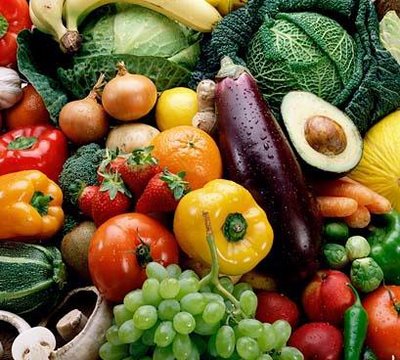
Low in calories and high in nutrition, and easy to make soup
It may sound almost too simple, but soup remains one of the healthiest meals we can prepare. In fact, if someone asked me to build the perfect meal using what we know today about nutrition, I’d probably start with a pot of soup. Add onions, garlic, beans, tomatoes, leafy greens, herbs, perhaps a little chicken or fish, a drizzle of olive oil, and serve it with a slice of whole-grain sourdough. You’ve just created what I like to call the Mediterranean diet in a bowl. And to prove you can do that from any cuisine, my favorite soup is Dahl – and click here for the recipe.
The First Food Safety
More importantly, soup has always been much more than comfort food. Throughout history, people discovered that boiling food made it easier to digest and often safer to eat, even though they had no idea bacteria or parasites existed. Today, we know that proper cooking destroys organisms such as Cyclospora and many harmful bacteria, making soup not only delicious but also one of humanity’s oldest food safety techniques.
Furthermore, soup is one of the best ways to reduce food waste. We all have that refrigerator drawer that starts out as a crisper and eventually becomes what I call the “future soup drawer.” A few carrots, some celery that’s lost its crunch, half an onion, spinach that’s beginning to wilt, or herbs that are no longer picture-perfect can all become tomorrow’s lunch instead of tomorrow’s compost. Rather than throwing them away, let them contribute their flavors to a pot of soup.
Another reason I love soup is that it naturally brings together many of the foods we should be eating more often. Beans provide fiber and plant protein. Vegetables add vitamins, minerals, and phytochemicals. Herbs contribute remarkable flavors without relying on excess salt. A little olive oil adds healthy fats, while broth provides hydration along with naturally occurring electrolytes. Unlike many products marketed as “wellness foods,” soup doesn’t need fancy packaging or celebrity endorsements. It has been quietly doing its job for thousands of years.
Better with Age – like me
Then there’s one final reason soup deserves a place in every kitchen.
It gets better.
Few foods improve overnight the way soup does. The flavors continue to develop, the broth becomes richer, and somehow the entire pot tastes more complete the next day. That’s one reason soup has always been one of the original meal-prep foods. Long before social media was teaching us how to prepare lunches for the week, families simply made one large pot of soup and enjoyed it for several meals.
Of course, every family develops its own favorites. In our house, taco soup is always a winner. It starts with onions, garlic, olive oil, canned beans, tomatoes, cumin, coriander, and chili spices before being finished with fresh lemon juice, avocado, and crushed whole-grain tortilla chips. It’s hearty, inexpensive, packed with fiber, and it disappears quickly whenever I make it.
Perhaps that’s why every civilization eventually invented soup. It stretches ingredients, reduces waste, nourishes families, hydrates naturally, and transforms simple foods into something extraordinary. Sometimes the oldest ideas remain the smartest ones.
This week on Fork U, we’re diving into the remarkable history and science of soup, including why every civilization created its own version, why soup may be the Mediterranean diet in a bowl, why it often tastes better the next day, and even why a proper French consommé is one of the greatest achievements in culinary science.
For the full story, listen to this week’s episode of Fork U at drsimpson.com.
And if you’d like some of my favorite soup recipes—including taco soup, Mediterranean-inspired soups, and other healthy meals—you’ll find them at terrysimpson.com.
