Bread Built Civilization
Bread isn’t evil, it is responsible for civilization. But whole grain bread is best. Armies marched on it, laws were made, and the pyramids were built for it.
Read More
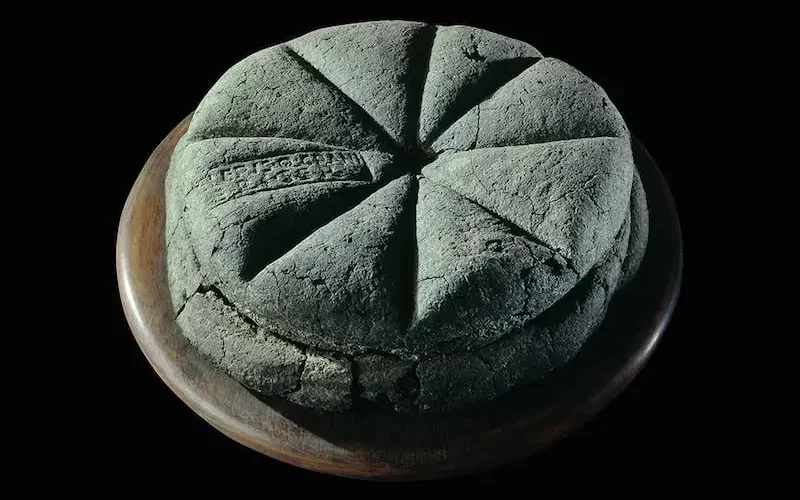
Bread isn’t evil, it is responsible for civilization. But whole grain bread is best. Armies marched on it, laws were made, and the pyramids were built for it.
Read MoreSoup may be the Mediterranean diet in a bowl. Discover why every civilization invented it, how it improves food safety, reduces waste, and tastes even better tomorrow.
Read More
Why GLP-1 Made Me Love Food More—Not Less From beetroot pasta to backyard salsa, this wasn’t about eating less. It was about finally tasting more. I want to tell you about two people on a GLP-1. First, there’s me. I’ve been on a maintenance dose—7.5 mg of Zepbound—for a while now. And recently, I went…
Read MoreEating whole fruit decreases the risk of heart disease, cancer, and improves overall health. It is sweet, portable, and delicious.
Read More
The Green Mediterranean Diet promises less fatty liver, less visceral fat, and less mental decline with aging than the standard Mediterranean Diet.
Read More
The proliferation of continuous glucose monitors for non-diabetics has allowed the development of less expensive equipment and provided an important tool to see glucose variability among people. This provides real-time data regarding diet.
Read More
Citing over 80 studies there is no proof that primary prevention of heart disease or cancer can be achieved through vitamins and supplements. Some, like vitamin A types, may cause harm.
Read More
Red meat is every bit as contentious as politics. In this case carnivores vs vegans – here is the latest data with references
Read More